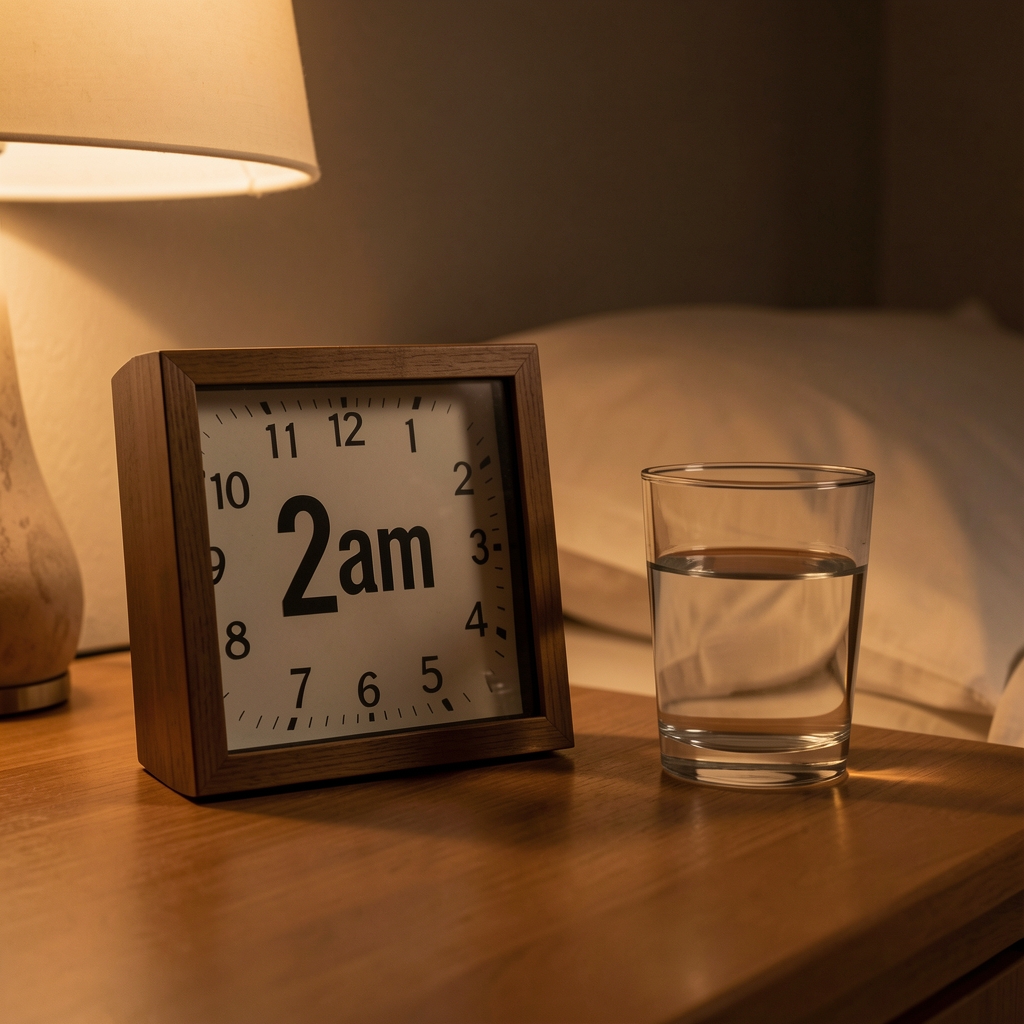
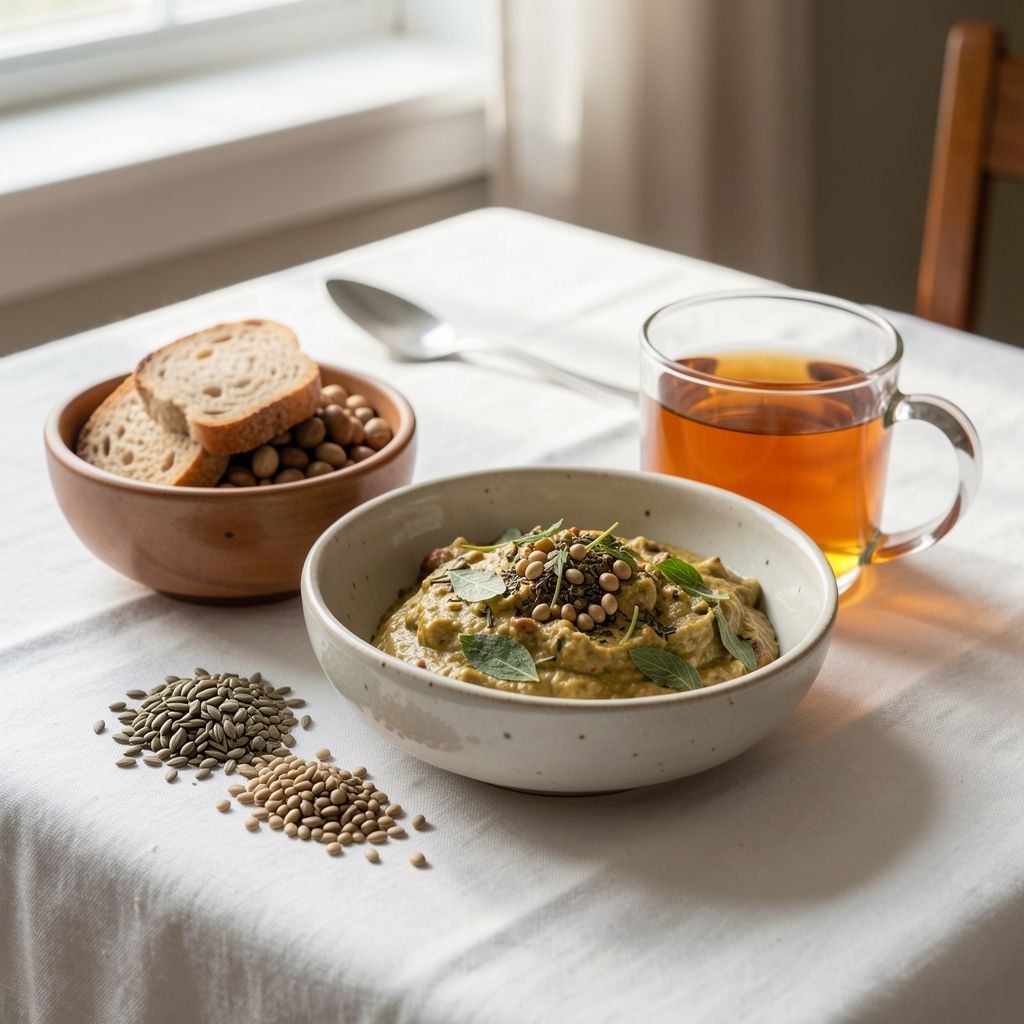
Published research consistently documents that insufficient sleep alters the concentration of appetite-related signals in the body — specifically patterns linked to hunger onset and satiety. When rest is curtailed, daytime appetite patterns tend to shift toward higher-calorie food preferences. This relationship is observed across multiple studies and appears independent of physical activity levels.
The body's internal timing system operates on approximately a twenty-four-hour cycle, coordinating sleep onset, core temperature, and appetite signals simultaneously. Eating at times that conflict with the circadian phase — particularly late-night consumption — places the digestive and metabolic systems in a state of relative misalignment. Research in chronobiology suggests that meal timing relative to circadian phase is a meaningful variable in energy balance outcomes.
Sleep debt refers to the accumulated shortfall between actual sleep obtained and the quantity required for full overnight recovery. In nutritional terms, the consequence of sleep debt is a predictable pattern of increased appetite — particularly for foods with higher energy density. Several short-term sleep restriction studies have documented elevated caloric intake in the days following restricted rest compared to full-rest baselines.
Talopen Letters is an independent editorial publication focused on everyday wellness practices. The publication is not affiliated with any commercial, governmental, or institutional body. Articles are not sponsored, and no editorial positions are sold. Writers disclose any relationships that could influence their selection of subject matter.
Articles draw on peer-reviewed nutritional and sleep science literature, field observations from qualified wellness professionals, and pattern documentation from established wellness research institutions. Sources are cited in-text where research findings are described, and source lists are available on request via the editorial contact.
Articles published on Talopen Letters are editorial in nature and reflect the writers' observations on everyday wellness practices. The content is not intended as professional advice, nor as guidance for the management of any specific condition. Readers with specific concerns about their daily routines are encouraged to speak with a qualified wellness professional.